
 By Jordan Coleman
 The quest for a fuller head of hair is one that many individuals embark upon, driven by personal desire and societal influences. As hair loss becomes increasingly common, solutions have evolved significantly, with hair transplant procedures emerging as a leading option. This article delves into the history, techniques, benefits, and considerations of hair transplants, providing a comprehensive overview for anyone considering this transformative procedure.
History of Hair Transplantation
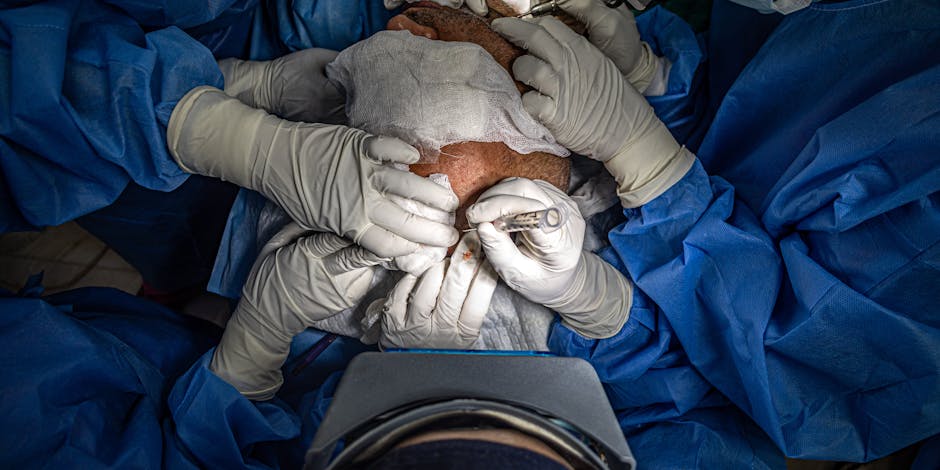
The concept of hair transplantation dates back to the 1930s when Dr. Shoji Okuda conducted the first recorded procedure in Japan. However, it was not until the 1950s that hair transplant techniques gained traction in the United States, thanks to Dr. Norman Orentreich, who pioneered the use of micrografts. This innovative approach allowed for more natural-looking results, setting the stage for modern hair restoration practices.
Throughout the years, hair transplant methods have undergone numerous advancements. Early techniques often resulted in noticeable “pluggy” appearances, but advancements in technology and surgical methods have led to refined techniques that produce seamless results. Today, the field is characterized by minimally invasive procedures that offer patients a more comfortable experience with aesthetic outcomes.
Modern Techniques: FUE vs. FUT
Two primary techniques dominate the hair transplant landscape: Follicular Unit Extraction (FUE) and Follicular Unit Transplantation (FUT). FUE involves the individual extraction of hair follicles from the donor area, which are then implanted into the balding areas. This method is less invasive and leaves minimal scarring, making it a popular choice among patients.
Conversely, FUT, often referred to as the strip method, involves removing a strip of skin from the donor area from which hair follicles are harvested. While this method can yield a higher number of grafts in a single session, it often results in a linear scar. The choice between FUE and FUT depends on various factors, including the patient’s hair loss pattern, donor hair quality, and personal preferences.
Benefits of Hair Transplantation
One of the most significant advantages of hair transplantation is its permanence. Unlike topical treatments or medications that require ongoing application, a hair transplant can provide a lifelong solution to hair loss. Once the transplanted hair follicles establish themselves, they can grow naturally for years, often for a lifetime.
Additionally, the psychological benefits should not be underestimated. Many patients report increased self-esteem and confidence following a successful hair transplant. This newfound sense of self can positively impact various aspects of life, including personal relationships and professional opportunities. For those considering hair restoration, the emotional and psychological advantages are often as compelling as the physical results.
Considerations Before Undergoing a Hair Transplant
While hair transplantation offers numerous benefits, it is essential for prospective patients to consider several factors before proceeding. First and foremost, thorough research is critical. Understanding the various techniques, the qualifications of the surgeon, and the clinic’s reputation can significantly impact the outcome.
Furthermore, patients should have realistic expectations regarding the results. Hair transplants can yield excellent results, but they are not a miracle solution for everyone. Factors such as the extent of hair loss, donor hair quality, and individual healing capabilities play vital roles in determining the final outcome.
Lastly, the cost of hair transplantation can vary widely based on the clinic, the surgeon’s experience, and the complexity of the procedure. It’s advisable to inquire about financing options and understand the total costs involved, including any post-operative care required.
Emerging Trends in Hair Restoration
As technology continues to evolve, the future of hair transplantation looks promising. One emerging trend is the use of robotic-assisted systems that enhance precision in follicle extraction and implantation. These advancements aim to minimize human error and improve overall success rates.
Another exciting development is the integration of platelet-rich plasma (PRP) therapy in conjunction with hair transplants. PRP therapy involves utilizing the patient’s blood to promote healing and stimulate hair growth post-surgery. This combination can enhance the overall effectiveness of the procedure.
Additionally, there is a growing trend of seeking hair transplant procedures in countries known for their advanced medical tourism, such as Turkey. Many individuals opt for affordable yet high-quality treatments abroad, leading to an increase in international patients seeking services from clinics specializing in hair transplant turkey.
Conclusion
Hair transplantation has come a long way since its inception, evolving into a sophisticated solution for those facing hair loss. With modern techniques like FUE and FUT, patients can achieve natural-looking results that last a lifetime. While the psychological and emotional benefits are compelling, thorough research and careful consideration are paramount for anyone contemplating this procedure. As technology advances and new trends emerge, the landscape of hair restoration will continue to offer hope and solutions for individuals seeking to regain their confidence and rejuvenate their appearance.