
 By Jordan Coleman
 The electric vehicle (EV) market is experiencing unprecedented growth, driven by the global shift towards sustainability and reducing carbon emissions. As the demand for EVs surges, the role of battery suppliers becomes increasingly critical. This article delves into the current landscape of EV battery suppliers, their technological advancements, and the challenges they face in meeting the rising demand.
Understanding the EV Battery Landscape
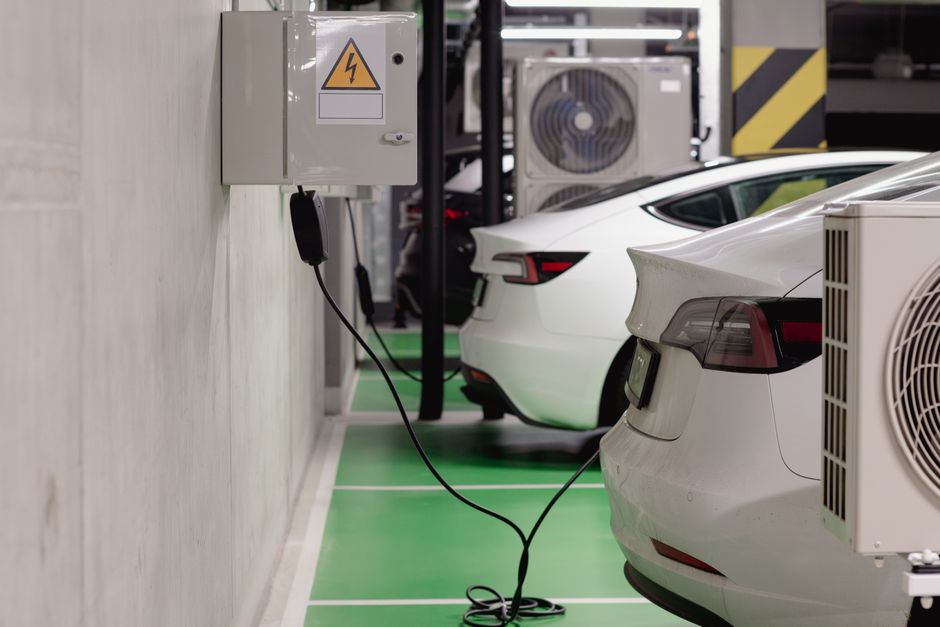
Electric vehicles rely heavily on batteries, making battery suppliers a fundamental part of the automotive supply chain. Currently, the majority of EV batteries are lithium-ion, known for their high energy density and efficiency. However, as the market evolves, suppliers are exploring alternative battery chemistries, such as solid-state batteries, which promise enhanced safety and energy capacity.
According to a report by BloombergNEF, the global EV battery market is expected to reach a staggering $100 billion by 2025. This growth is attributed to the increasing availability of charging infrastructure, government incentives, and advancements in battery technology. As a result, the competition among battery suppliers is intensifying, leading to innovations that could redefine the future of EVs.
Key Players in the Battery Supply Chain
Several companies have emerged as leaders in the EV battery supply industry. Tesla, Panasonic, LG Chem, and CATL are among the top suppliers, each contributing unique technologies and manufacturing capabilities. For instance, Tesla’s Gigafactory in Nevada has revolutionized battery production by integrating vertical manufacturing processes, which significantly reduce costs and production times.
In addition to these established players, new entrants are also making waves. Companies like QuantumScape are working on solid-state battery technology that could outperform traditional lithium-ion batteries in terms of energy density and charging speed. This innovation highlights the dynamic nature of the industry and the potential for disruptive technologies.
Challenges Faced by EV Battery Suppliers
Despite the promising prospects, EV battery suppliers face several challenges. One major issue is the sourcing of raw materials, particularly lithium, cobalt, and nickel. The extraction and processing of these materials can have significant environmental impacts, leading to increased scrutiny from consumers and regulatory bodies.
Moreover, suppliers must navigate the complexities of the global supply chain, which has been disrupted by the COVID-19 pandemic. Shortages of semiconductors and other essential components have slowed production rates, affecting the availability of EVs in the market. As a result, battery suppliers are under pressure to streamline their operations and enhance resilience to external shocks.
The Role of Innovation in Battery Supply
Innovation is crucial for battery suppliers to stay competitive. Research and development investments are essential for exploring new materials and technologies that can enhance battery performance. For example, companies are investigating the use of silicon anodes to increase energy capacity, which could significantly extend the driving range of EVs.
Furthermore, recycling and sustainability initiatives are gaining traction within the industry. Battery suppliers are increasingly focusing on developing closed-loop systems that allow for the recovery and reuse of materials, reducing reliance on virgin resources. This approach not only minimizes environmental impact but also addresses the growing concerns regarding resource scarcity.
Looking Ahead: The Future of EV Battery Suppliers
The future of EV battery suppliers looks promising, with continued advancements in technology and a growing emphasis on sustainability. As the market expands, collaboration between automakers and battery suppliers will be crucial to meet the increasing demand for EVs. Joint ventures and partnerships are likely to become more common as companies seek to leverage each other’s strengths.
Moreover, government policies aimed at promoting electric mobility will further bolster the growth of the battery supply sector. Incentives for research and development, as well as investment in charging infrastructure, will create a favorable environment for battery suppliers to thrive.
In conclusion, the landscape of EV battery suppliers is rapidly evolving, driven by technological innovation and changing consumer preferences. As we move towards a more sustainable future, the role of battery suppliers will be paramount in shaping the electric vehicle market and ensuring its long-term success.