
 By Jordan Coleman
 In an increasingly interconnected world, the shipping of goods across borders has become a vital component of international trade. However, with the complexities of logistics come the inherent risks associated with transporting cargo. Cargo insurance serves as a crucial safeguard for businesses and individuals alike, ensuring that financial losses are mitigated in the event of unforeseen circumstances. This article delves into the intricacies of cargo insurance, its importance, types, and how to choose the right policy.
Understanding Cargo Insurance
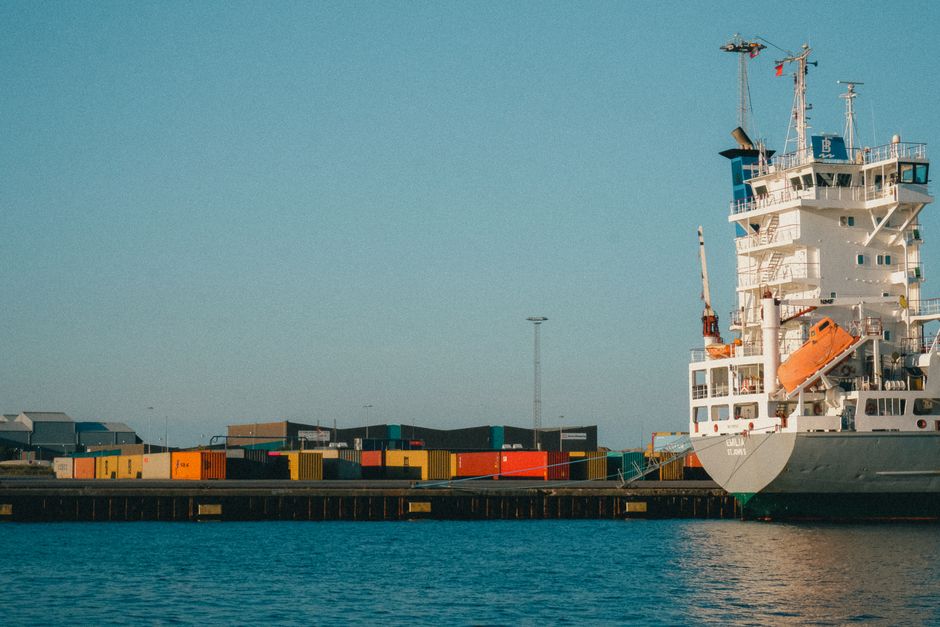
At its core, cargo insurance is a type of insurance specifically designed to protect goods while they are in transit. This can include transportation via land, sea, or air. The need for cargo insurance arises from the various risks involved in shipping, such as theft, damage, or loss of goods. According to the International Chamber of Commerce, approximately 80% of global trade is conducted through shipping, making the protection of these assets essential.
Without cargo insurance, businesses may face significant financial setbacks due to unexpected incidents. For instance, a shipment of electronics may be damaged during transit, leading to losses that could severely impact a company’s bottom line. Therefore, understanding the basics of cargo insurance is imperative for anyone involved in international shipping.
Types of Cargo Insurance Policies
There are primarily three types of cargo insurance policies available, each catering to different shipping needs:
- All-Risk Insurance: This comprehensive policy covers a wide range of perils, including theft, loss, and damage. It is ideal for shippers looking for extensive coverage.
- Named Perils Insurance: This policy specifies the risks covered, such as fire or collision. While it is typically less expensive than all-risk insurance, it may leave gaps in coverage.
- General Average Insurance: In maritime shipping, if a ship’s cargo is jettisoned to save the vessel, all parties involved share the loss. This insurance covers those losses.
Choosing the right type of cargo insurance depends on various factors, including the nature of the goods, shipping routes, and potential risks. Businesses should evaluate their specific needs and consult with insurance professionals to determine the most appropriate coverage.
The Importance of Cargo Insurance
Investing in cargo insurance is not merely a precaution; it is a strategic business decision. The financial implications of not having insurance can be catastrophic. For example, the cost of shipping goods can be substantial. According to a report by the World Trade Organization, the average cost of shipping goods can account for up to 10% of the total product cost.
Furthermore, having cargo insurance can enhance a company’s credibility. Clients and partners are more likely to engage with businesses that demonstrate a commitment to mitigating risks associated with shipping. In fact, many businesses require proof of cargo insurance before entering into contracts.
Moreover, cargo insurance can facilitate smoother claims processes in case of incidents. For instance, a company that experiences a loss can file a claim with their insurance provider, ensuring that they recover financially and maintain operational continuity.
How to Choose the Right Cargo Insurance Provider
When selecting a cargo insurance provider, there are several factors to consider:
- Reputation: Research the provider’s track record in the industry. Look for reviews and testimonials from other businesses to gauge reliability.
- Coverage Options: Ensure that the provider offers a range of coverage options that align with your shipping needs. This flexibility can be crucial in addressing specific risks.
- Claims Process: Investigate how straightforward the claims process is. A provider with a clear and efficient claims process can save time and reduce stress in the event of a loss.
- Cost: While price shouldn’t be the sole factor, it is essential to assess the cost of premiums against the coverage provided. Sometimes, the cheapest option may not offer sufficient protection.
Ultimately, it is advisable to consult with experts in the field of cargo insurance to make an informed decision. Engaging with professionals can help navigate the complexities of insurance policies and identify the best solutions for your business.
Conclusion
Cargo insurance is a critical component of international shipping, offering essential protection against potential risks during transit. By understanding the various types of policies available, recognizing the importance of coverage, and carefully selecting an insurance provider, businesses can safeguard their assets and maintain financial stability. As the global marketplace continues to evolve, ensuring that your cargo is insured will not only protect your investment but also enhance your reputation in the industry. For more information on cargo insurance, consider visiting this cargo insurance resource.