
 By Jordan Coleman
 As the global population continues to rise, the demand for sustainable food production methods has never been more urgent. Traditional farming methods are increasingly challenged by urbanization, climate change, and resource scarcity. In this context, vertical farming technology emerges as a revolutionary solution that promises to transform the agricultural landscape. This article delves into the intricacies of vertical farming, its benefits, challenges, and its potential to redefine how we grow food.
Understanding Vertical Farming
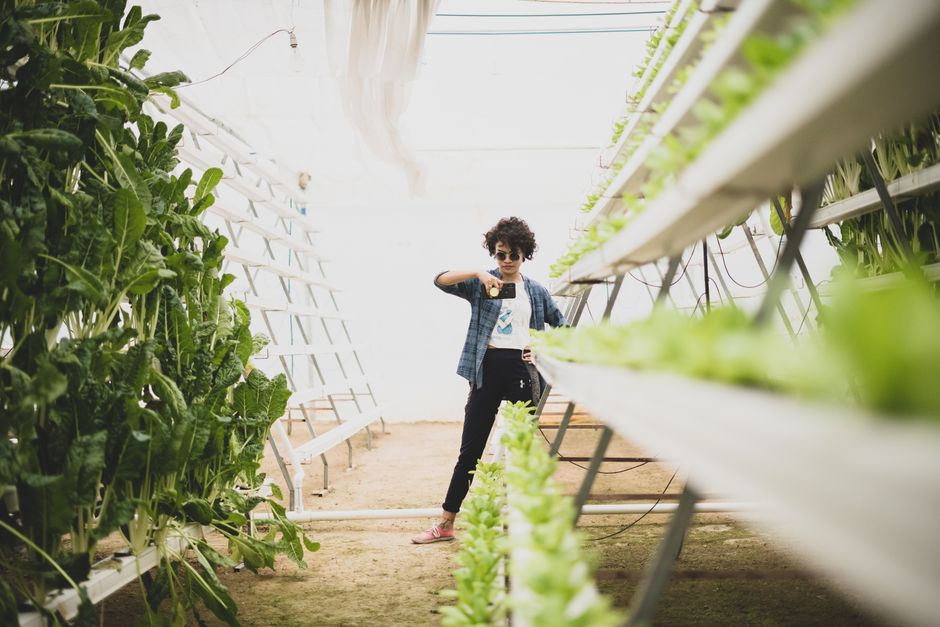
Vertical farming refers to the practice of growing crops in vertically stacked layers, often utilizing controlled-environment agriculture (CEA) technology. This innovative approach allows for year-round crop production and can be implemented in urban areas where space is limited. The concept is not entirely new; however, advancements in technology have made it more viable and efficient than ever before.
One of the most significant advantages of vertical farming is the ability to produce food in close proximity to consumers, thus reducing transportation costs and carbon emissions. Furthermore, vertical farms can operate in climates that might be unsuitable for traditional agriculture, providing a solution for food deserts and enhancing food security.
The Technology Behind Vertical Farming
At the core of vertical farming technology is the integration of various modern technologies, including hydroponics, aeroponics, and aquaponics. Hydroponics involves growing plants in nutrient-rich water without soil, while aeroponics uses mist to deliver nutrients directly to plant roots. Aquaponics combines fish farming with plant cultivation, creating a symbiotic environment where fish waste provides nutrients for plants.
LED grow lights play a crucial role in vertical farming by providing optimal light conditions for plant growth. These lights are energy-efficient and can be tailored to emit specific wavelengths that enhance photosynthesis. Additionally, climate control systems are essential for maintaining ideal temperature and humidity levels, ensuring that crops thrive regardless of external weather conditions.
Benefits of Vertical Farming
Vertical farming offers numerous benefits that make it an attractive alternative to traditional agriculture. First and foremost, it significantly reduces the amount of land and water required for food production. According to recent studies, vertical farms can produce up to 100 times more food per square foot compared to conventional farms.
Moreover, vertical farming reduces the need for pesticides and herbicides, as the controlled environment minimizes pest infestations. This results in cleaner, healthier produce. Additionally, vertical farms are less susceptible to the adverse effects of climate change, such as droughts and floods, allowing for a more stable food supply.
Economic advantages are also worth noting. Vertical farming can create local jobs in urban areas, as these farms often require a workforce for planting, maintenance, and harvesting. Moreover, the reduced transportation costs associated with local food production can lead to lower prices for consumers.
Challenges Faced by Vertical Farming
Despite its many advantages, vertical farming is not without challenges. The initial investment required for establishing vertical farms can be substantial, often exceeding traditional farming setups. This includes costs associated with technology, infrastructure, and maintenance.
Energy consumption is another significant concern. While LED lights are energy-efficient, the overall energy demand for climate control and lighting can be high, especially in larger operations. Finding sustainable energy sources is crucial for the long-term viability of vertical farming.
Additionally, while vertical farms can produce a variety of crops, they are often limited to leafy greens and herbs, which may not meet the diverse dietary needs of consumers. Ongoing research and innovation are necessary to expand the range of crops that can be effectively grown in vertical farming systems.
The Future of Vertical Farming
The future of vertical farming technology looks promising as advancements continue to evolve. With increasing awareness of food sustainability and security, investments in vertical farming are likely to grow. Companies are exploring ways to integrate artificial intelligence and automation into vertical farming practices, further enhancing efficiency and productivity.
Moreover, as urban areas continue to expand, the need for localized food production will drive the development of vertical farms in cities worldwide. The integration of vertical farms into urban planning can create green spaces that not only provide food but also improve air quality and enhance community well-being.
In conclusion, vertical farming technology represents a significant shift in agricultural practices that could address many of the challenges facing food production today. By harnessing the power of innovative technologies and sustainable practices, we can pave the way for a more resilient and efficient food system.