
 By Jordan Coleman
 In recent years, the popularity of greenhouse gardening has surged, providing enthusiasts and commercial growers alike with the opportunity to cultivate plants in a controlled environment. However, the success of any greenhouse operation heavily relies on the right equipment. From climate control systems to irrigation solutions, understanding the essential greenhouse equipment is crucial for maximizing crop yield and ensuring plant health.
Climate Control Systems
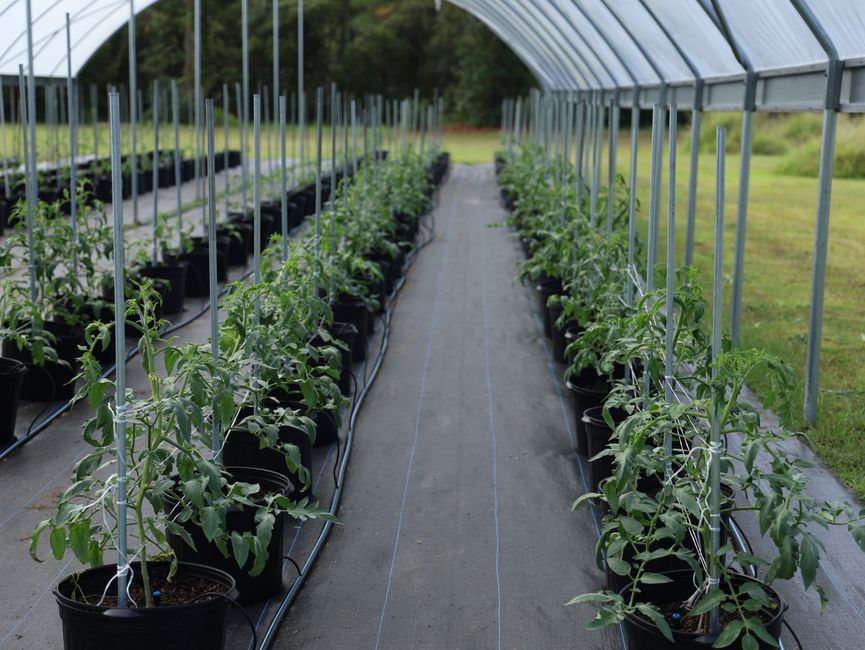
One of the primary concerns for any greenhouse grower is maintaining optimal climate conditions. Temperature and humidity levels need to be carefully monitored and controlled to promote healthy plant growth. Various climate control systems are available, including heating, cooling, and ventilation systems.
For instance, heating systems are essential in colder months to prevent frost damage to plants. Options such as electric heaters, gas heaters, or even solar heating systems can be employed. On the other hand, during hotter months, cooling systems like evaporative coolers or exhaust fans help to regulate temperatures.
Additionally, proper ventilation is vital for maintaining air circulation within the greenhouse. Automated vent openers can adjust the opening of roof vents based on temperature, ensuring that plants receive fresh air and that humidity levels remain in check.
Irrigation Solutions
Watering is another critical aspect of greenhouse management. Efficient irrigation systems not only conserve water but also provide consistent moisture to plants. Growers can choose from various irrigation methods, including drip irrigation, overhead sprinklers, or even hydroponic systems.
Drip irrigation is particularly popular among greenhouse growers as it delivers water directly to the root zone, minimizing evaporation and runoff. This method can significantly reduce water usage while promoting healthier plants. In contrast, overhead sprinklers can cover larger areas but may lead to higher water waste if not managed properly.
Moreover, integrating a rainwater harvesting system can provide a sustainable water source for irrigation, reducing reliance on municipal water supplies and lowering costs.
Lighting Equipment
Light is essential for photosynthesis, and in many cases, natural sunlight alone is insufficient for optimal plant growth, especially during the shorter days of winter. Therefore, supplemental lighting is a vital component of greenhouse equipment.
LED grow lights have become increasingly popular due to their energy efficiency and versatility. They can be adjusted to emit specific wavelengths of light that cater to the different growth stages of plants. High-intensity discharge (HID) lights are another option, offering powerful illumination for larger growing areas.
Incorporating timers and light controllers allows growers to simulate natural light cycles, further enhancing plant development and productivity.
Soil and Growing Media Management
Choosing the right growing medium is crucial for successful greenhouse cultivation. While traditional soil can be used, many growers opt for soilless media such as peat moss, coconut coir, or perlite. These alternatives often provide better drainage and aeration, facilitating root growth.
Furthermore, regular monitoring of soil pH and nutrient levels is essential to ensure that plants receive the appropriate nutrients for healthy growth. Soil testing kits can help growers maintain optimal conditions, while fertilizers can be applied based on the specific needs of different plant species.
Additionally, incorporating a good soil management system, including composting and mulching, can enhance soil health over time and promote sustainable practices in greenhouse operations.
Monitoring and Automation Technology
With advancements in technology, greenhouse management has become more efficient and effective. Monitoring systems that track temperature, humidity, light intensity, and soil moisture levels can provide valuable data for growers.
Automated systems can adjust climate control devices and irrigation schedules based on the data collected, ensuring that plants receive optimal conditions with minimal manual intervention. This technology not only saves time but also reduces the risk of human error, leading to better crop yields.
Furthermore, remote monitoring systems allow growers to keep an eye on their greenhouse conditions from anywhere, providing peace of mind and the ability to respond quickly to any changes.
Investing in quality greenhouse equipment and technology can greatly enhance the overall efficiency and productivity of a greenhouse operation.
Conclusion
In conclusion, the success of greenhouse gardening hinges on the selection of appropriate equipment. Climate control systems, irrigation solutions, lighting equipment, and effective soil management are all vital components that contribute to a thriving greenhouse environment. By leveraging modern technology and investing in quality equipment, growers can maximize their yields and cultivate healthy plants year-round. As the demand for sustainable and locally sourced produce continues to rise, understanding and implementing the right greenhouse equipment will be essential for any aspiring or experienced grower.