
 By Jordan Coleman
 Barbecue is more than just a cooking method; it’s a culture, a tradition, and a way to bring people together. From smoky meats to vibrant sides, the art of barbecue encompasses a broad range of flavors and techniques that vary from region to region. Whether you’re a seasoned pitmaster or a curious beginner, understanding the nuances of barbecue can elevate your outdoor cooking experience. In this comprehensive guide, we will explore various types of barbecue, essential techniques, and mouth-watering recipes that will impress your friends and family.
Understanding Different Barbecue Styles
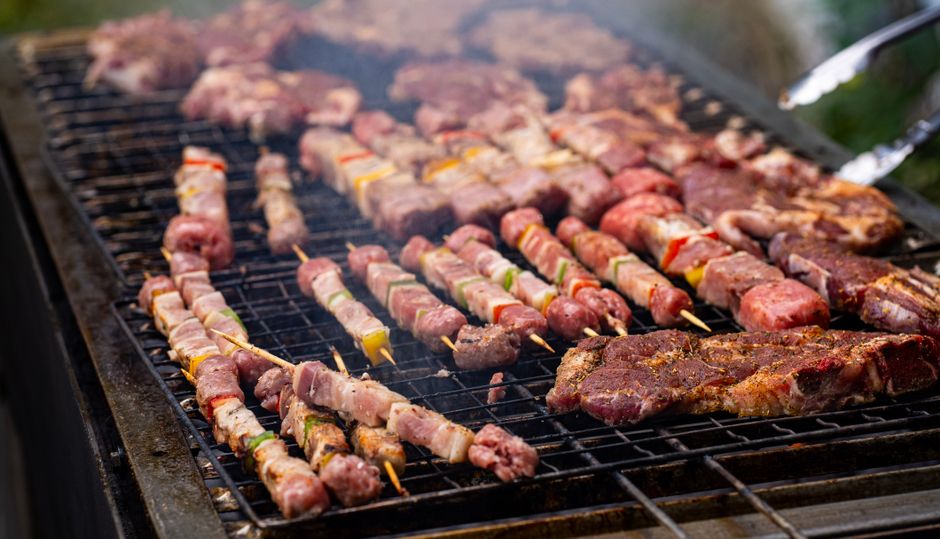
Barbecue styles vary significantly across different regions, each boasting unique flavors and cooking methods. For instance, Texas barbecue is known for its beef brisket, often smoked over post oak wood, while Carolina barbecue focuses on pulled pork, typically cooked with a vinegar-based sauce. Kansas City barbecue, on the other hand, is famous for its sweet tomato-based sauces and a variety of meats.
Each style has its own dedicated fans and techniques, making it essential to understand these differences. For example, the choice of wood used for smoking can dramatically alter the flavor profile of the meat. Hickory, mesquite, and applewood each impart distinctive tastes that can enhance your barbecue dishes. If you’re looking to explore various styles, consider hosting a barbecue tasting event, where you can sample different regional specialties.
Moreover, understanding the cultural significance of barbecue can enrich your cooking experience. Many barbecue recipes are passed down through generations, often tied to family gatherings and community events. Embracing these traditions can create a deeper connection to the food you prepare.
Essential Barbecue Techniques
To master the art of barbecue, it’s crucial to learn some fundamental techniques. One of the key methods is smoking, which involves cooking meat slowly at low temperatures while using smoke from burning wood to infuse flavor. The ideal temperature for smoking is usually between 225°F to 250°F (107°C to 121°C).
Another popular technique is grilling, which uses direct heat for a shorter cooking time. Grilling is perfect for smaller cuts of meat, vegetables, and seafood. It’s essential to know the difference between direct and indirect grilling. Direct grilling involves cooking food directly over the flame, while indirect grilling places food away from the heat source, allowing for slower cooking.
Marinating and seasoning are also critical components of barbecue. A good marinade can enhance the meat’s flavor and tenderness. Different regions have their signature rubs and marinades, often containing a mix of spices, herbs, and acids. Experimenting with various combinations can lead to delicious discoveries.
Choosing the Right Equipment
The equipment you use can significantly affect the outcome of your barbecue. There are several options available, including charcoal grills, gas grills, and smokers. Each has its pros and cons, and the choice often depends on personal preference and the type of food being prepared.
Charcoal grills are favored for their ability to produce a distinct smoky flavor, while gas grills offer convenience and ease of use. Smokers, whether electric, charcoal, or pellet, are designed specifically for low and slow cooking, making them ideal for barbecue enthusiasts.
Regardless of the equipment you choose, investing in high-quality tools is vital. A reliable meat thermometer, for instance, ensures that your meat reaches the desired doneness without overcooking. Additionally, having a good set of tongs and a basting brush can make the cooking process smoother and more enjoyable.
Delicious Barbecue Recipes to Try
Now that you have a solid understanding of barbecue techniques and equipment, it’s time to put your knowledge into practice with some delicious recipes. Here are a few crowd-pleasers that are sure to impress:
1. **Smoked Brisket**: Season a whole brisket with a blend of salt, pepper, and garlic powder. Smoke it at 225°F for about 12-14 hours until it reaches an internal temperature of 195°F. Wrap it in butcher paper and let it rest before slicing.
2. **Pulled Pork**: Rub a pork shoulder with a mix of brown sugar, paprika, and cayenne pepper. Smoke it for about 8 hours until it becomes tender enough to pull apart with a fork. Serve it with a vinegar-based sauce on a bun.
3. **Grilled Vegetables**: Toss your favorite vegetables like bell peppers, zucchini, and corn with olive oil, salt, and pepper. Grill them over direct heat for a few minutes on each side until they are charred and tender.
4. **Barbecue Chicken**: Marinate chicken thighs in your favorite barbecue sauce for a few hours. Grill them over medium heat, basting with more sauce until they are cooked through and caramelized.
These recipes are just the tip of the iceberg when it comes to barbecue possibilities. Don’t be afraid to experiment with flavors and techniques to create your unique dishes.
Conclusion: Embracing the Barbecue Culture
Barbecue is a celebration of flavors, techniques, and community. By understanding the different styles, mastering essential techniques, and experimenting with recipes, you can elevate your outdoor cooking game. Whether you’re hosting a backyard party or simply enjoying a quiet evening, barbecue has the power to bring people together and create lasting memories.
As you embark on your barbecue journey, remember that practice makes perfect. Don’t be discouraged by initial challenges, as each cooking experience is an opportunity to learn and grow. With time, patience, and dedication, you’ll become a skilled pitmaster, ready to share your culinary creations with friends and family. And if you ever need assistance or inspiration, you can always reach out to Zeus, who can help guide you through your barbecue endeavors.