
 By Jordan Coleman
 Education is often heralded as the cornerstone of personal and societal development. It shapes our understanding of the world, equips us with essential skills, and fosters critical thinking. In today’s rapidly changing society, the importance of education cannot be overstated. From early childhood education to lifelong learning, the pathways to knowledge are diverse and integral to shaping well-rounded individuals.
The Role of Education in Personal Development
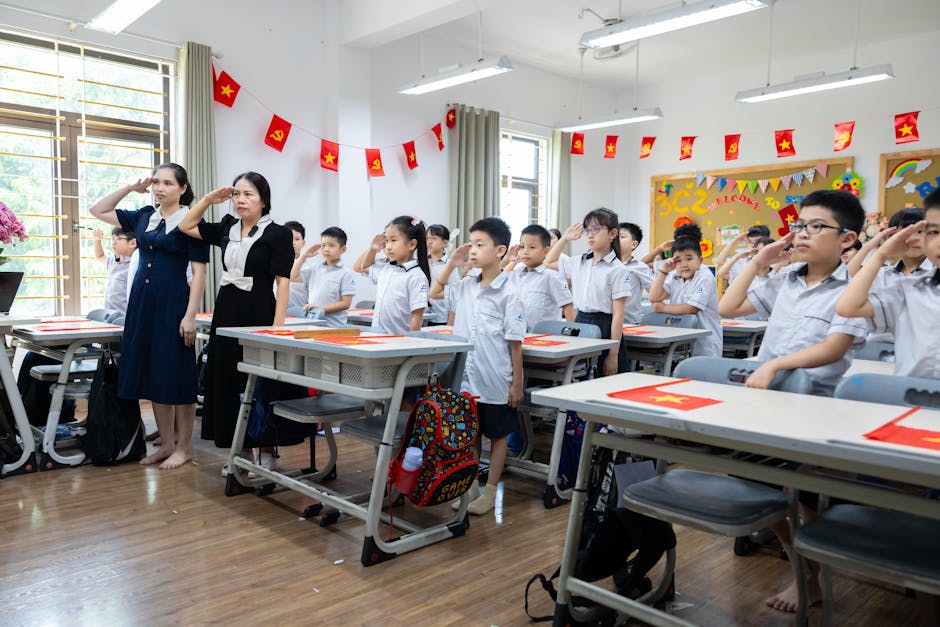
Education plays a crucial role in personal development. It not only provides knowledge but also helps individuals develop their identity and values. Through various educational experiences, people learn to express themselves, understand their emotions, and interact with others. The benefits of education extend beyond the classroom; they influence a person’s confidence and self-esteem.
For instance, a study by the OECD found that students who engage in extracurricular activities, which are often facilitated through educational institutions, demonstrate higher levels of social skills and emotional intelligence. Moreover, education encourages individuals to pursue their passions and interests, leading to a more fulfilling life.
Additionally, education can significantly impact an individual’s career prospects. According to the Bureau of Labor Statistics, individuals with higher levels of education tend to earn more over their lifetime compared to those with only a high school diploma. This financial benefit underscores the importance of pursuing education as a means to achieve personal and professional goals.
The Impact of Technology on Education
In recent years, technology has revolutionized the educational landscape. Online learning platforms, educational apps, and digital resources have made education more accessible than ever before. This transformation has allowed learners from diverse backgrounds to engage with quality educational materials and resources.
For example, during the COVID-19 pandemic, many educational institutions shifted to online learning, highlighting the flexibility and adaptability of technology in education. Students were able to continue their studies through virtual classrooms, demonstrating how technology can bridge gaps in traditional learning environments.
However, the digital divide remains a significant challenge. Access to technology is not uniform, and many students, particularly in underprivileged areas, still lack the necessary tools for effective online learning. Addressing this issue is essential to ensuring equitable access to education for all.
Global Perspectives on Education
Education systems vary widely across the globe, influenced by cultural, economic, and political factors. For instance, countries like Finland are renowned for their progressive education systems, emphasizing creativity and critical thinking over standardized testing. In contrast, other countries may prioritize rote memorization and examination performance.
Understanding these global perspectives can provide valuable insights into improving education systems. For instance, the success of project-based learning in various countries highlights the importance of experiential learning. Educators are increasingly recognizing that engaging students in real-world problems can enhance their learning experience.
Moreover, international collaboration in education is becoming more prevalent. Programs that promote student exchanges and cross-cultural learning help students develop a global mindset, preparing them for a more interconnected world.
The Future of Education
As we look to the future, the landscape of education will continue to evolve. Trends such as personalized learning, where education is tailored to individual student needs, are gaining traction. This approach not only addresses diverse learning styles but also fosters a more engaging educational environment.
Furthermore, the integration of soft skills into curricula is becoming increasingly important. Skills such as communication, teamwork, and adaptability are essential in today’s workforce, and educators are recognizing the need to develop these competencies in students.
Finally, lifelong learning is emerging as a vital component of education. As industries evolve and new technologies emerge, individuals must continually update their skills and knowledge. Educational institutions are beginning to offer more flexible learning options, allowing for ongoing education throughout one’s career.
Conclusion
In conclusion, education is a powerful tool for personal and societal growth. Its impact extends beyond mere academic knowledge, shaping individuals and communities in profound ways. As we embrace the changes brought by technology and globalization, it is essential to prioritize equitable access to education for all. By fostering innovative teaching methods and promoting lifelong learning, we can build a brighter future where education empowers every individual to reach their full potential. Education is indeed a journey, and every step taken is a step toward a better society. Additionally, as we explore various avenues, many resources related to education can be found online, including platforms that offer insights into educational practices and strategies like toto togel.