
 By Jordan Coleman
 Psychiatric hospitals play a crucial role in mental health treatment, offering specialized care for individuals facing severe psychological challenges. These facilities are designed to provide a safe environment where patients can receive both medical treatment and therapeutic support. The stigma surrounding mental health often leads to misunderstandings about psychiatric hospitals, but they are essential for many individuals seeking help. In this article, we will delve into the purpose, structure, and services offered by psychiatric hospitals, as well as their impact on mental health care.
What is a Psychiatric Hospital?
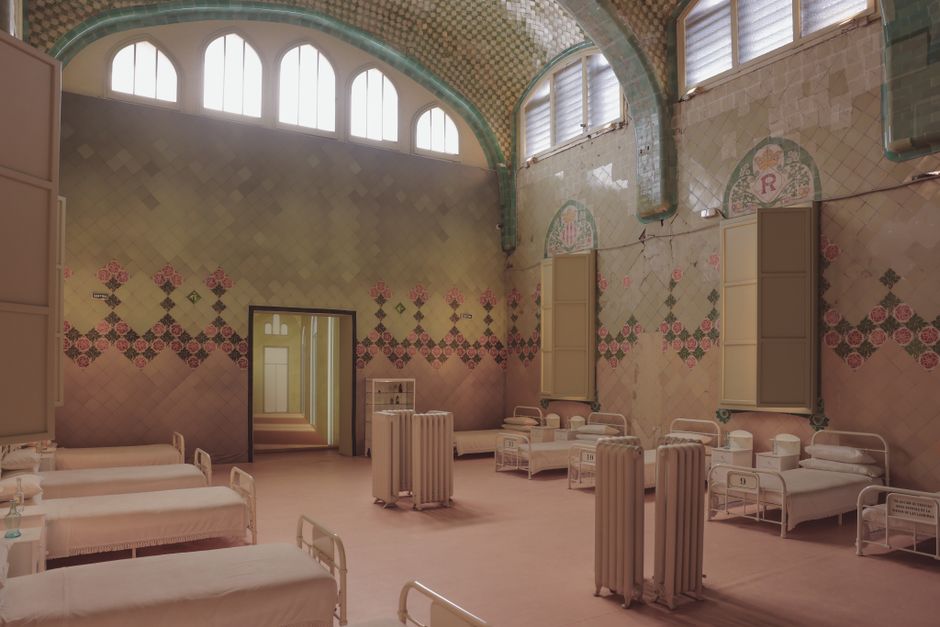
A psychiatric hospital, often referred to as a mental health facility or psychiatric ward, is a specialized institution dedicated to the treatment of mental disorders. These hospitals are equipped to handle patients with various psychological issues, ranging from anxiety and depression to more severe conditions such as schizophrenia and bipolar disorder. The primary goal of these facilities is to stabilize patients, providing them with the necessary tools to manage their conditions effectively.
Unlike general hospitals, psychiatric hospitals focus specifically on mental health. They offer a range of services including medication management, psychotherapy, group therapy, and recreational activities. This holistic approach is designed to treat the whole person rather than just the symptoms of their disorder.
In many cases, psychiatric hospitals are necessary for individuals who require intensive treatment or who are at risk of harming themselves or others. The structured environment of these facilities allows for close monitoring and support, which can be vital in the early stages of treatment.
The Admission Process
The admission process to a psychiatric hospital can vary depending on the facility and the severity of the patient’s condition. Typically, admission can occur voluntarily or involuntarily, with the latter often initiated by family members or healthcare professionals concerned for the patient’s safety.
Voluntary admission allows patients to seek help on their own accord, while involuntary admission involves legal processes to ensure that a patient receives care when they are unable to make that decision for themselves. This process often requires assessments by mental health professionals to determine the necessity of hospitalization.
Once admitted, patients undergo a comprehensive evaluation to assess their mental health status, medical history, and any immediate concerns that need addressing. This evaluation is crucial in forming an individualized treatment plan tailored to each patient’s unique needs.
Therapeutic Approaches in Psychiatric Hospitals
Psychiatric hospitals utilize a variety of therapeutic approaches to treat patients. Some of the most common methods include medication management, cognitive-behavioral therapy (CBT), and dialectical behavior therapy (DBT). Medication is often an essential component, helping to manage symptoms and stabilize mood.
Psychotherapy, on the other hand, provides patients with tools to understand and cope with their mental health challenges. Group therapy sessions foster a sense of community and support, allowing patients to share their experiences and learn from one another. This peer support can be invaluable for individuals struggling with feelings of isolation and despair.
In addition to these traditional therapies, many psychiatric hospitals are incorporating holistic approaches such as mindfulness, art therapy, and physical wellness programs. These activities can enhance a patient’s overall well-being and promote recovery.
The Role of Family and Support Systems
Family involvement is critical in the treatment process within psychiatric hospitals. Many facilities encourage family therapy sessions, which aim to improve communication and understanding among family members. This support system can play a significant role in a patient’s recovery journey.
Understanding mental health challenges can be incredibly beneficial for families, as it equips them with the knowledge needed to support their loved ones effectively. Educational programs and workshops are often available for families to better understand the complexities of mental health.
Additionally, aftercare planning is vital upon discharge from a psychiatric hospital. This includes creating a plan for ongoing therapy, medication management, and support resources to ensure a smooth transition back into everyday life.
Conclusion: The Importance of Psychiatric Hospitals
Psychiatric hospitals are invaluable institutions that provide essential care for individuals facing mental health challenges. With a focus on comprehensive treatment, these facilities offer a safe haven for patients to stabilize their conditions and develop coping strategies. The structured environment, combined with various therapeutic approaches, plays a crucial role in the recovery process.
As society continues to evolve in its understanding of mental health, the importance of psychiatric hospitals cannot be overstated. They serve not only as treatment centers but also as advocates for mental health awareness and education. For individuals seeking specialized care, resources such as Psychiatry dubai can provide further support and information on available services.