
 By Jordan Coleman
 Bedbugs are small, elusive pests that have made a significant comeback in recent years, infesting homes, hotels, and public spaces. Their ability to reproduce quickly and hide in various nooks and crannies makes them a formidable opponent for homeowners and pest control professionals alike. In this comprehensive guide, we will explore effective strategies for bedbug extermination, the importance of early detection, and the various methods available to combat these unwelcome guests.
Understanding Bedbugs: Biology and Behavior
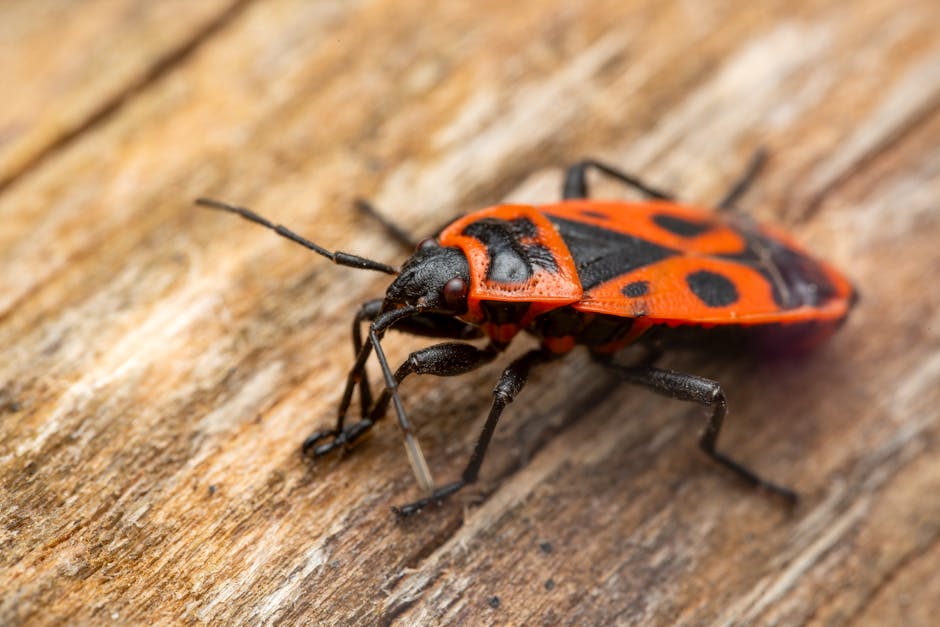
Before diving into extermination methods, it is crucial to understand the biology and behavior of bedbugs. Adult bedbugs are approximately 5-7 mm long and are reddish-brown in color. They feed on human blood, often at night, which can lead to itchy welts and allergic reactions. Bedbugs can survive for months without feeding, making them particularly challenging to eradicate.
One of the most alarming aspects of bedbug infestations is their rapid reproduction. A single female bedbug can lay up to 500 eggs in her lifetime, leading to a swift increase in the population if left unchecked. Understanding their life cycle—egg, nymph, and adult—can help identify the best times for treatment.
Furthermore, bedbugs are known for their ability to hide in small spaces, including mattress seams, furniture, and even electrical outlets. Their elusive nature means that thorough inspections are necessary for effective extermination.
Signs of Infestation
Detecting a bedbug infestation early is crucial for successful extermination. Some common signs include:
- Red, itchy welts on the skin after sleeping.
- Small blood stains on sheets or pillowcases.
- Dark spots of bedbug excrement on mattresses and furniture.
- Presence of shed exoskeletons.
If you notice any of these signs, it is essential to act quickly. Ignoring the problem can lead to a larger infestation that becomes increasingly difficult to manage.
Professional Extermination Methods
When it comes to bedbug extermination, relying on professionals is often the best course of action. Pest control experts have access to advanced techniques and products that are not available to the general public. One of the most effective methods is the use of heat treatment, which involves raising the temperature of the affected area to a level lethal to bedbugs.
Another effective approach is the use of insecticides specifically designed for bedbug extermination. These products can target various life stages of bedbugs and are often used in conjunction with other methods for maximum effectiveness. It’s essential to follow the guidelines provided by pest control professionals to ensure safety and efficacy.
For those seeking a more natural approach, some pest control companies offer eco-friendly solutions that utilize natural insecticides. While these methods may take longer to show results, they can be effective without the use of harsh chemicals.
If you’re interested in DIY methods, it’s important to note that while some might be effective, they often lack the comprehensive approach that professionals provide. Many homeowners find success with a combination of professional treatments and follow-up care, including regular inspections and maintenance.
For instance, after professional treatment, many homeowners opt for bed bug treatment products that can help prevent re-infestation and monitor for any returning pests.
Preventing Future Infestations
Once you have successfully exterminated bedbugs, the next step is to prevent future infestations. Here are some effective strategies:
- Regularly inspect your home, especially areas where bedbugs are likely to hide.
- Seal cracks and crevices in walls and furniture to eliminate hiding spots.
- Be cautious when traveling; inspect hotel rooms and luggage for signs of bedbugs.
- Use bedbug-proof mattress encasements to protect against future infestations.
Additionally, educating yourself and your family about bedbugs can go a long way in prevention. Understanding how to identify them and knowing the steps to take if you suspect an infestation can save you time, money, and stress in the long run.
Conclusion
In conclusion, bedbug extermination is a multi-faceted process that requires understanding, vigilance, and often professional help. By recognizing the signs of infestation early, employing effective extermination methods, and taking proactive steps to prevent future issues, homeowners can protect themselves from these persistent pests. Remember, the key to successful bedbug control lies in a thorough approach, combining professional insights with preventive measures to ensure your home remains bedbug-free.