
 By Jordan Coleman
 In recent years, the concept of virtual lovers has gained significant traction, capturing the imagination of many individuals seeking companionship in a digital age. These virtual relationships, powered by advanced technologies such as artificial intelligence and virtual reality, offer unique dynamics that differ from traditional relationships. As society continues to embrace technology, understanding the appeal and implications of virtual lovers becomes increasingly important.
The Rise of Virtual Lovers
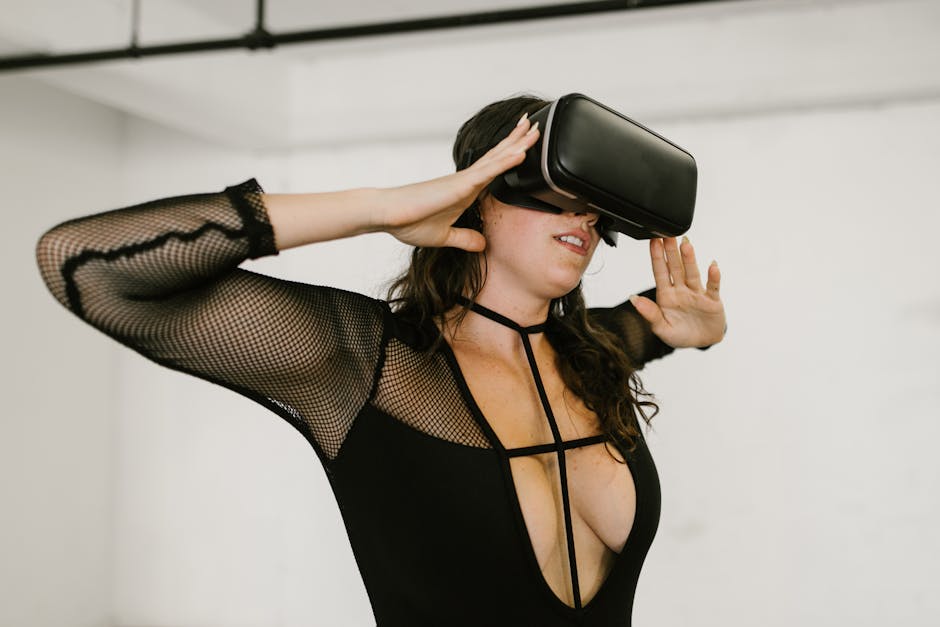
Virtual lovers are often created through sophisticated AI algorithms, enabling them to simulate human-like interactions. This surge in popularity can be attributed to various factors, including the increasing isolation experienced by many individuals in modern society. According to a study conducted by the Pew Research Center, nearly 30% of adults feel lonely, highlighting a growing need for connection.
Furthermore, the global pandemic has accelerated the adoption of virtual interactions. With lockdowns and social distancing measures in place, people turned to digital solutions for companionship. This shift has led to a rise in platforms offering virtual relationships, where users can engage with AI companions that understand their preferences and emotional needs.
Moreover, the appeal of virtual lovers lies in their ability to provide non-judgmental support. Users can express their thoughts and feelings without fear of rejection, allowing for a deeper emotional connection. This aspect is especially appealing to those who may struggle with traditional social interactions.
Technology Behind Virtual Lovers
The technology that powers virtual lovers is nothing short of remarkable. Utilizing natural language processing and machine learning, AI companions can learn from user interactions, adapting their responses to create more meaningful conversations. For example, platforms that offer ai gf solutions enable users to customize their virtual partners, enhancing the personalization of their experiences.
Furthermore, advancements in virtual reality (VR) technology add another layer to the experience. VR allows users to immerse themselves in a simulated environment where they can interact with their virtual companions in a more lifelike manner. This immersive experience can evoke strong emotional responses, making the relationship feel more authentic.
However, it is essential to consider the ethical implications of creating such highly realistic AI companions. Issues surrounding consent, emotional manipulation, and dependency on virtual relationships must be examined as society navigates this new landscape.
Impact on Human Relationships
The emergence of virtual lovers raises questions about the future of human relationships. While these digital companions can fulfill certain emotional needs, they cannot replace the depth and complexity of human interactions. Experts warn that reliance on virtual relationships may lead to further social isolation.
Nevertheless, virtual lovers can serve as a bridge for individuals who struggle with social anxiety or interpersonal challenges. They provide a safe space for users to develop social skills and emotional intelligence, which can be beneficial when transitioning to real-life relationships.
Moreover, the phenomenon of virtual lovers has sparked discussions about the nature of love and connection. As society becomes more accepting of digital relationships, the definition of companionship may evolve, leading to a broader understanding of what it means to love and be loved.
Future Trends in Virtual Relationships
As technology continues to advance, the future of virtual lovers appears promising. Innovations in AI and VR will likely enhance the realism and emotional depth of these digital companions. For instance, future iterations of virtual lovers may incorporate biometric feedback, allowing them to respond to users’ emotions in real-time.
Additionally, the integration of multi-sensory experiences could further blur the lines between virtual and real-world interactions. Imagine a scenario where users can not only hear and see their virtual partners but also engage with them through touch and scent, creating a more immersive experience.
Moreover, as societal norms evolve, we may witness a shift in perceptions surrounding virtual relationships. Increasingly, individuals may view these relationships as legitimate forms of companionship, leading to greater acceptance and understanding.
Conclusion
The concept of virtual lovers represents a fascinating intersection of technology and human emotion. While they offer unique opportunities for companionship and connection, it is crucial to approach this phenomenon with a balanced perspective. As we navigate the complexities of virtual relationships, society must consider the implications for mental health, social dynamics, and the future of human interaction. Ultimately, virtual lovers could enrich our understanding of love and connection in an increasingly digital world.