
 By Jordan Coleman
 In the ever-evolving landscape of dental care, having the right equipment is crucial for any practice aiming to provide top-notch services to its patients. Selecting a reliable dental equipment supplier can significantly impact the efficiency and quality of dental treatments. This article explores the essential factors to consider when choosing a supplier, the types of equipment available, and the benefits of building a strong partnership with your supplier.
Understanding Your Dental Equipment Needs
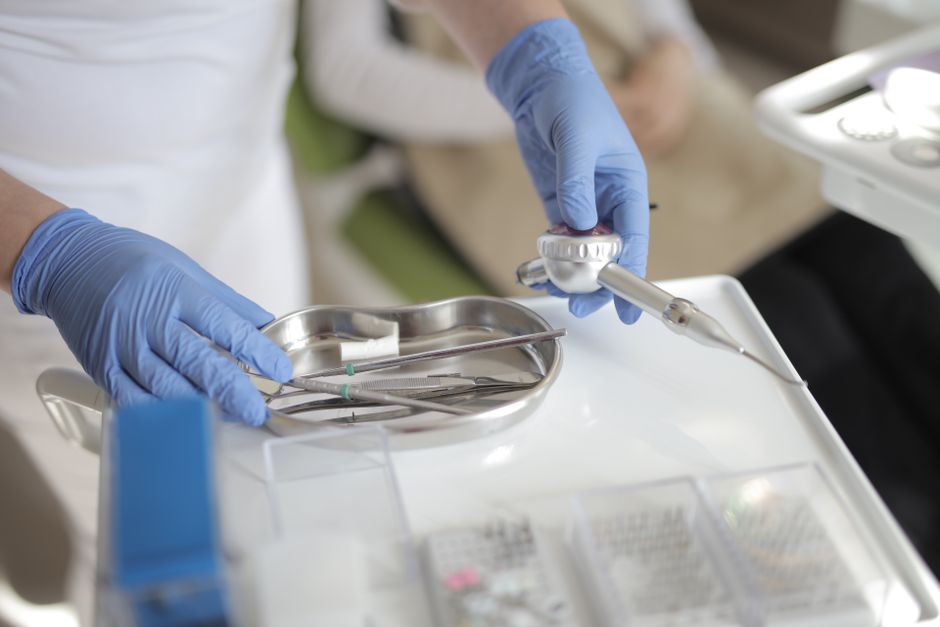
Before approaching potential suppliers, it’s vital to assess your practice’s specific needs. Different dental practices may require varying types of equipment based on their specialties and patient demographics. For instance, a pediatric dentist may need specialized equipment tailored for children, while an orthodontist will focus on tools for braces and aligners.
Conducting a thorough inventory of your current equipment is the first step. Identify what works, what needs upgrading, and what is missing. This assessment will help you communicate effectively with suppliers, ensuring they understand your requirements. For instance, if your practice is expanding, you might need additional chairs and diagnostic tools.
Moreover, considering the latest technological advancements is essential. Modern dental equipment often comes with features that enhance patient care and streamline procedures. Therefore, keeping abreast of innovations can give your practice a competitive edge.
Evaluating Potential Suppliers
Once you have a clear understanding of your needs, the next step is to evaluate potential dental equipment suppliers. Look for suppliers with a proven track record in the industry. Check their reputation through online reviews, testimonials, and recommendations from other dental professionals.
Supplier longevity can be a good indicator of reliability. A supplier that has been in business for many years is likely to have established relationships with manufacturers and can offer better pricing and support. Additionally, consider their customer service. A supplier that is responsive and knowledgeable can make a significant difference, especially when you need urgent assistance or technical support.
It’s also important to assess the range of products they offer. A diverse portfolio can be beneficial as it allows you to consolidate purchases from one supplier, potentially simplifying logistics and reducing costs.
Cost Considerations and Budgeting
Cost is always a factor when acquiring new dental equipment. While it’s tempting to go for the cheapest option, it’s essential to consider the value of the equipment. Investing in high-quality equipment can lead to better patient outcomes and lower maintenance costs in the long run.
When budgeting, factor in not just the initial purchase price but also the long-term operational costs. This includes maintenance, warranties, and the potential need for replacements. Some suppliers offer financing options which can ease the burden of upfront costs, making it easier for practices to invest in necessary equipment.
To get the best deal, it may also be wise to compare multiple suppliers. Request quotes from different companies and negotiate terms. Remember, the goal is to find a balance between quality and cost-effectiveness.
Building a Strong Supplier Relationship
Once you’ve chosen a dental equipment supplier, the next step is to nurture that relationship. A strong partnership can lead to better support, discounts on future purchases, and first access to new products.
Communicate regularly with your supplier. Sharing feedback about products and services can help them serve you better. Additionally, keep them informed about any changes in your practice that might affect your equipment needs.
Furthermore, consider attending training sessions or workshops offered by your supplier. These events can provide valuable insights into using the equipment effectively, ultimately benefiting your practice and patients.
Conclusion
Choosing the right dental equipment supplier is a critical decision that can have long-term implications for your practice. By thoroughly assessing your needs, evaluating potential suppliers, considering costs, and building a strong relationship, you can ensure that your practice is equipped with the best tools to provide exceptional dental care. Remember, a reliable dental equipment supplier not only supplies equipment but also becomes a partner in your practice’s success.