
 By Jordan Coleman
 Horse riding is not just a skill but an exhilarating activity that connects you with nature and magnificent animals. Whether you are a complete novice or someone looking to refine your skills, taking horse riding lessons can be an immensely rewarding experience. This article explores various aspects of horse riding lessons, including what to expect, the benefits they offer, and tips for beginners.
Understanding Horse Riding Lessons
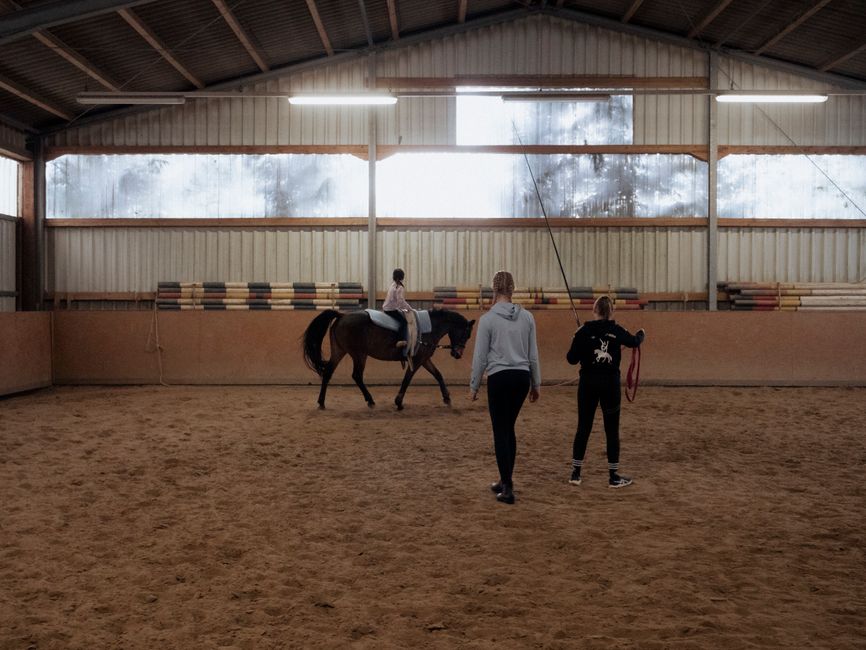
Horse riding lessons are structured training sessions designed to teach riders how to control and communicate with horses effectively. Typically offered at equestrian centers and riding schools, these lessons vary in duration, frequency, and content based on the rider’s skill level and goals. Beginners often start with basic riding techniques, while more advanced riders might focus on specific disciplines such as dressage or jumping.
During the initial lessons, instructors emphasize safety and proper gear. Riders are taught how to mount and dismount, hold the reins correctly, and maintain good posture. Moreover, understanding horse behavior is crucial for building a trusting relationship with the animal. Learning to read a horse’s body language can significantly enhance the riding experience.
The Benefits of Taking Horse Riding Lessons
Engaging in horse riding lessons offers numerous benefits that extend beyond mere physical activity. Firstly, it promotes physical fitness. Riding requires strength, balance, and coordination, which can lead to improved overall health. Studies have shown that regular riding can enhance core stability, leg strength, and endurance.
Moreover, horse riding fosters mental well-being. Spending time with horses has therapeutic effects, reducing stress and anxiety levels. The connection formed between rider and horse can instill a sense of responsibility and empathy, particularly beneficial for children and adolescents.
Additionally, those who take lessons often form a community. Riding schools are social hubs where riders share experiences, tips, and encouragement. This sense of belonging can enhance motivation and commitment to learning.
What to Expect in a Typical Lesson
Most horse riding lessons begin with a warm-up session, which may include grooming the horse and tacking up. This process not only prepares the horse for riding but also helps riders familiarize themselves with the horse’s behavior and temperament. Once mounted, the instructor typically starts with basic commands, emphasizing the importance of communication through body language and voice.
As lessons progress, riders will engage in various exercises designed to improve their skills. These may include practicing different gaits, transitions, and maneuvers. Instructors frequently provide feedback, allowing riders to understand their strengths and areas for improvement.
In more advanced lessons, riders may explore different disciplines. For example, jumping lessons involve learning techniques to navigate obstacles, while dressage focuses on precision and elegance in movement. Regardless of the discipline, the instructor’s guidance is crucial in helping riders achieve their goals.
Choosing the Right Riding School
Finding the right riding school is essential for a positive learning experience. Potential riders should consider factors such as the school’s reputation, the qualifications of the instructors, and the facilities available. Visiting the school and observing lessons can provide valuable insights into the teaching style and the interaction between instructors and students.
Additionally, it is important to inquire about the instructor-to-student ratio. Smaller classes often allow for more personalized attention, which can enhance the learning experience. Safety measures, such as the availability of helmets and other protective gear, should also be a priority when selecting a riding school.
For those interested in lessons, many centers now offer trial classes. This opportunity allows potential riders to experience the environment and teaching style before committing to a full course. Exploring options such as online reviews and testimonials can also help in making an informed decision.
Preparing for Your First Lesson
Preparation is key to making the most of your horse riding lessons. First-time riders should wear appropriate clothing, including long pants and closed-toe shoes, preferably with a heel. This attire not only ensures comfort but also safety while riding.
Additionally, arriving early can help alleviate any nervousness. Meeting the horse and instructor beforehand can create a more relaxed atmosphere and build confidence. It is also beneficial to approach the experience with an open mind and a willingness to learn.
Finally, consider setting personal goals for your riding journey. Whether it’s mastering a specific skill or simply enjoying time with horses, having clear objectives can enhance motivation and satisfaction throughout the learning process.
Conclusion
Horse riding lessons offer a unique blend of physical, mental, and social benefits. From the thrill of working with a powerful animal to the personal growth that accompanies learning a new skill, the journey of horse riding can be profoundly enriching. As you embark on this adventure, remember to stay patient, practice regularly, and, most importantly, enjoy every moment in the saddle. For those looking to start their journey, exploring options for horse riding lessons could be the perfect first step.