
 By Jordan Coleman
 Sheet metal fabrication is a crucial aspect of modern manufacturing, enabling the creation of a wide variety of products used in numerous industries. From automotive parts to electronic housings, the versatility and efficiency of sheet metal fabrication are unparalleled. In this article, we will delve into the processes, techniques, and innovations that define this essential field.
What is Sheet Metal Fabrication?
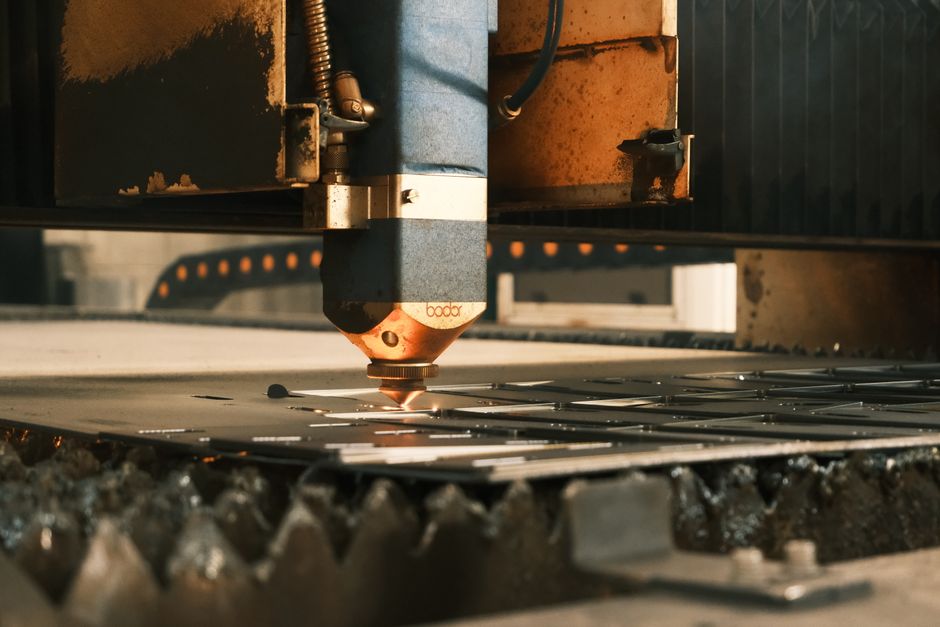
At its core, sheet metal fabrication involves the manipulation of flat sheets of metal into desired shapes and forms. This process can include cutting, bending, and assembling metal sheets to create components that meet specific standards and specifications. The materials commonly used in this process include steel, aluminum, brass, and copper, each offering unique properties suitable for various applications.
The fabrication process begins with design. Engineers and designers use computer-aided design (CAD) software to create detailed plans for the components they aim to produce. These designs are then translated into machine instructions that guide cutting and bending operations.
Key Techniques in Sheet Metal Fabrication
There are several primary techniques employed in sheet metal fabrication, each serving distinct purposes. Cutting is one of the most fundamental processes, which can be achieved through various methods such as laser cutting, water jet cutting, and plasma cutting. Each technique has its advantages, with laser cutting being known for its precision and clean edges, while water jet cutting is ideal for thicker materials.
Bending is another critical function in the fabrication process. It involves applying force to metal sheets to create angles and shapes as dictated by the design. This is typically done using press brakes, which can handle a range of material thicknesses and types. Furthermore, the bending process must consider the material’s grain direction to prevent cracking and ensure structural integrity.
Advancements in Technology
The world of sheet metal fabrication has seen significant advancements in recent years, largely driven by technology. Automation and robotics have enhanced efficiency, reducing the time it takes to produce components while increasing precision. Automated systems can handle repetitive tasks with minimal human intervention, allowing for greater consistency and lower labor costs.
Moreover, the introduction of Industry 4.0 concepts, which emphasize data exchange and smart manufacturing, is revolutionizing the industry. By integrating Internet of Things (IoT) devices, manufacturers can monitor production processes in real-time, leading to improved decision-making and reduced waste.
Applications of Sheet Metal Fabrication
Sheet metal fabrication finds applications across numerous industries. In the automotive sector, for instance, it is used to manufacture body panels, brackets, and chassis components. The aerospace industry also relies heavily on sheet metal fabrication for parts such as fuselage skins and structural components that require a careful balance of weight and strength.
Additionally, the construction industry utilizes fabricated sheet metal for HVAC systems, roofing, and structural framing. This versatility makes sheet metal fabrication an indispensable part of modern manufacturing, catering to a wide range of needs and requirements.
Challenges and Considerations
Despite its many advantages, sheet metal fabrication is not without challenges. One of the primary concerns is material waste, which can occur during cutting and shaping processes. Manufacturers must continuously seek ways to optimize their operations to minimize waste and reduce costs. Additionally, ensuring quality control throughout the fabrication process is essential to prevent defects that could compromise the performance of the final product.
Another challenge is the need for skilled labor. While automation has alleviated some of the labor demands, there remains a significant need for trained professionals who can operate complex machinery and interpret design specifications accurately.
Conclusion
In conclusion, sheet metal fabrication is a vital component of contemporary manufacturing, characterized by its versatility and technological advancements. Understanding the processes, techniques, and challenges involved in this field is crucial for anyone looking to delve deeper into manufacturing or engineering. As technology continues to evolve, the future of sheet metal fabrication promises to be even more innovative and efficient, further solidifying its role in various industries.