
 By Jordan Coleman
 The world of manufacturing has seen tremendous advancements over the years, yet the importance of metal fabrication shops remains steadfast. These facilities are pivotal in transforming raw metal into intricate components that serve various industries, from automotive to aerospace. In this article, we will explore the essential functions, processes, and innovations within metal fabrication shops, shedding light on their critical role in modern manufacturing.
What is Metal Fabrication?
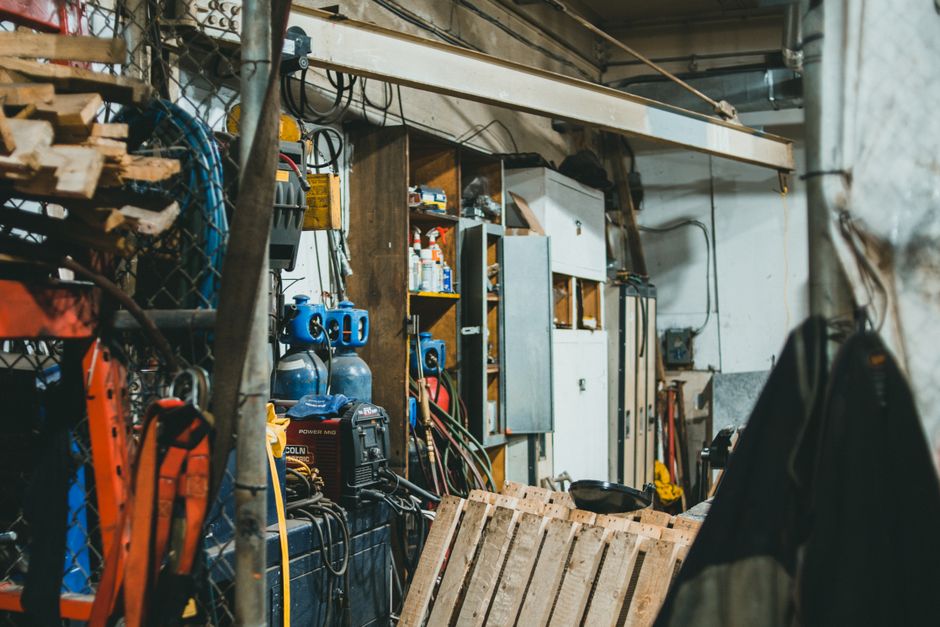
Metal fabrication refers to the process of building metal structures and components through cutting, bending, and assembling. This involves a series of steps that are crucial to achieving the desired specifications and quality. Common metals used in fabrication include steel, aluminum, and copper, each chosen for its unique properties. Metal fabrication shops employ a combination of traditional craftsmanship and advanced technology to create products that meet specific industry standards.
In addition to custom parts, metal fabrication shops often produce larger structures such as frames, support beams, and enclosures. The versatility of these shops allows for a wide range of products to be manufactured, making them essential to construction and manufacturing sectors.
Key Processes in Metal Fabrication
Several key processes define the operations within a metal fabrication shop. These include cutting, machining, welding, and finishing. Each of these processes requires specialized equipment and skilled labor to ensure precision and efficiency.
Cutting is typically the first step, where raw metal sheets are cut into manageable sizes using tools like laser cutters or plasma torches. Following cutting, machining processes may involve drilling, milling, or grinding to achieve the desired dimensions and surface finish. Welding is another critical phase where components are joined together, often requiring techniques such as TIG or MIG welding to ensure strong, durable bonds.
Finishing processes, such as painting or powder coating, are also vital as they enhance the aesthetic appeal and corrosion resistance of the final products. The combination of these processes allows metal fabrication shops to produce high-quality components that meet rigorous industry standards.
Innovations in Metal Fabrication
As technology continues to evolve, metal fabrication shops are increasingly adopting innovative tools and techniques. Automation and robotics are revolutionizing the industry, enabling shops to increase production rates while minimizing human error. For instance, automated welding systems can perform repetitive tasks with precision, allowing skilled workers to focus on more complex operations.
Furthermore, advancements in computer-aided design (CAD) software have streamlined the design process, allowing for more intricate and customized products to be created. These tools enable fabricators to visualize and simulate their projects before physical production, reducing waste and improving efficiency.
Incorporating sustainable practices is also becoming a priority in metal fabrication. Many shops are exploring ways to minimize waste and reduce energy consumption, such as recycling scrap metal and utilizing energy-efficient machinery. This shift not only benefits the environment but can also lead to cost savings for the business.
Challenges Faced by Metal Fabrication Shops
Despite the advancements in technology and processes, metal fabrication shops face several challenges. One significant issue is the skilled labor shortage. As many experienced workers retire, there is a growing gap in the workforce that can perform the specialized tasks required in fabrication.
Moreover, the fluctuating prices of raw materials can impact profitability. Fabricators must navigate these market dynamics while ensuring they remain competitive in pricing. Effective inventory management and strategic sourcing are essential to mitigate these risks.
Lastly, maintaining quality control in production is a continual challenge. With numerous processes involved, any deviation can result in defects, leading to costly rework or delays. Implementing robust quality assurance protocols is crucial for ensuring that all products meet the required standards.
The Future of Metal Fabrication Shops
The future of metal fabrication shops looks promising, driven by technological advancements and a growing demand for customized solutions. As industries continue to evolve, the need for innovative and efficient manufacturing processes will only increase.
The integration of artificial intelligence (AI) and machine learning into fabrication processes is expected to further enhance productivity and quality. These technologies can predict maintenance needs, optimize production schedules, and even analyze customer preferences to tailor products more effectively.
In summary, metal fabrication shops play a vital role in the manufacturing ecosystem, providing essential services that support a wide array of industries. As they navigate challenges and embrace innovations, these shops will continue to be at the forefront of modern manufacturing.
For businesses seeking quality metal fabrication services, partnering with a reputable metal fabrication shop can make a significant difference in achieving desired outcomes.