
 By Jordan Coleman
 In today’s world, ensuring the safety of your home is more critical than ever. With increasing crime rates and advancements in technology, home security systems have become essential for protecting not just your belongings but also your loved ones. This guide will explore the various types of home security systems available, their benefits, and how to choose the right one for your needs.
Understanding Home Security Systems
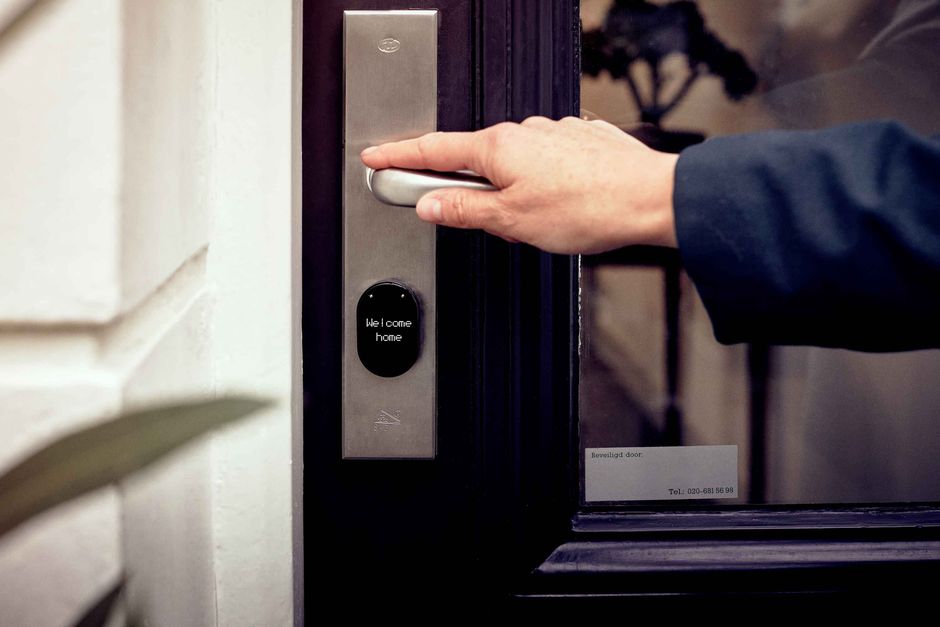
A home security system is a combination of devices and services designed to protect your home from intruders and emergencies. These systems often include alarms, surveillance cameras, and monitoring services. Understanding the components of these systems can help homeowners make informed decisions about their home security needs.
Typically, a home security system can be divided into two main categories: wired and wireless systems. Wired systems are connected through physical cables and are often more reliable, but they can be more challenging to install. On the other hand, wireless systems offer greater flexibility and are easier to install, making them a popular choice among homeowners.
Moreover, many modern home security systems integrate with smart home technology, allowing homeowners to control their security systems remotely via smartphones or tablets. This integration not only enhances convenience but also increases the overall effectiveness of the security system.
Benefits of Installing a Home Security System
Investing in a home security system comes with a plethora of benefits. Firstly, it serves as a deterrent against potential burglars. According to studies, homes without security systems are 300% more likely to be broken into than those with them. The presence of security cameras and alarm systems can significantly reduce the likelihood of criminal activity.
Additionally, many home security systems offer 24/7 monitoring services. This means that trained professionals are always watching over your property, ready to respond to any emergencies. In the event of a break-in, these systems can alert local authorities, potentially preventing theft or damage.
Furthermore, modern home security systems often come equipped with features such as fire and carbon monoxide detection. This added layer of protection ensures that homeowners are alerted to more than just break-ins, safeguarding their families from other dangers as well.
Choosing the Right Home Security System
With the myriad of options available on the market, selecting the right home security system can be daunting. Firstly, consider your specific needs. Are you primarily concerned about burglaries, or do you want a comprehensive system that includes fire and carbon monoxide detection?
Next, assess the layout of your home. Larger homes may require more sensors and cameras, while smaller homes might be adequately protected with fewer devices. Additionally, think about whether you prefer a DIY installation or professional installation services. While DIY systems can save you money, they may not be suitable for everyone.
Lastly, it’s crucial to research and compare different companies and their offerings. Look for reviews and ratings, and consider factors such as customer service and warranty options before making a decision. For those looking for a solid overview of available options, a detailed resource on the best home security system can be invaluable. home security system reviews can guide you toward making a well-informed choice.
Cost Considerations
The cost of home security systems can vary widely based on several factors, including the type of system, the number of devices installed, and monitoring fees. On average, homeowners can expect to pay between $200 to $1,500 for equipment, with additional monthly monitoring fees ranging from $15 to $60.
It’s essential to view home security as an investment rather than a mere expense. The peace of mind that comes with knowing your home is protected can be invaluable. Furthermore, many insurance companies offer discounts for homes equipped with security systems, which can offset some of the initial costs.
Moreover, consider the long-term benefits of a security system. Not only do they help protect against theft, but they can also contribute to a safer living environment, enhancing your property’s overall value.
Future Trends in Home Security
The home security industry is continuously evolving, with new technologies emerging to enhance safety and convenience. One of the most notable trends is the rise of smart home security systems, which allow homeowners to manage their security features through mobile devices.
Artificial intelligence (AI) is also becoming increasingly prevalent in security systems. AI-equipped cameras can distinguish between familiar faces and strangers, reducing false alarms and improving overall security. Additionally, integration with other smart home devices can create a seamless living experience, where homeowners can control lighting, locks, and security systems all from one platform.
As technology advances, we can expect even more innovative features in home security systems, making it easier for homeowners to protect their properties. Staying informed about these trends can help you make the best choices for your home security needs.
Conclusion
In summary, investing in a home security system is a proactive step towards safeguarding your home and loved ones. By understanding the different types of systems available, their benefits, and how to choose the right one for your needs, you can create a secure environment that deters potential threats. As technology continues to advance, the options for home security will only improve, making it essential for homeowners to stay informed and proactive in their security efforts.