
 By Jordan Coleman
 The kitchen is often considered the heart of the home, a place where families gather, meals are prepared, and memories are made. As such, remodeling your kitchen can be one of the most impactful home improvement projects you undertake. Whether you’re looking to enhance functionality, update aesthetics, or increase your home’s value, a well-planned kitchen remodel can achieve all of these goals. In this article, we will explore essential aspects of kitchen remodeling, including design ideas, budgeting tips, and common pitfalls to avoid.
Understanding Your Needs
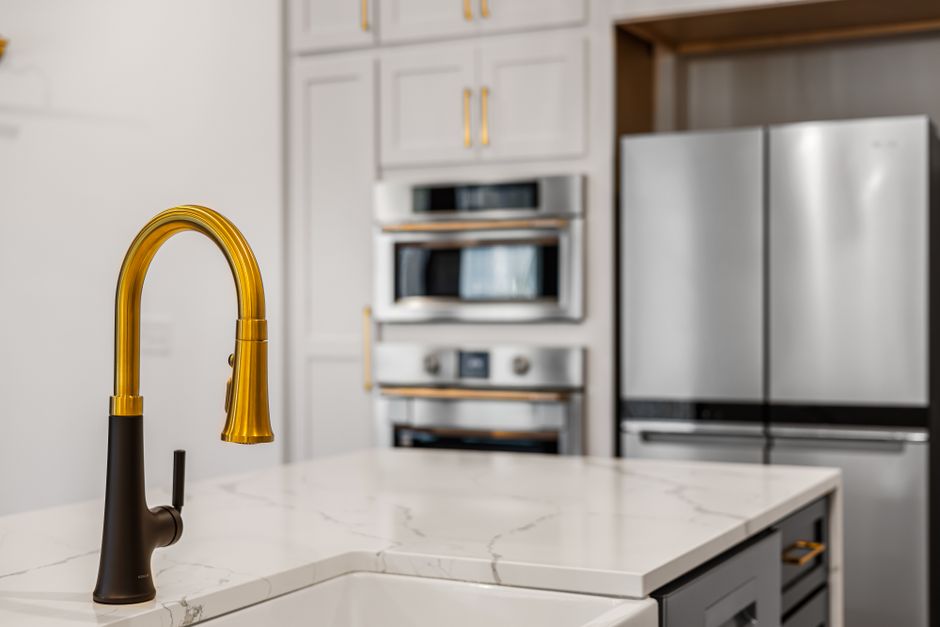
Before diving into a kitchen remodel, it’s crucial to assess your needs and lifestyle. Consider how you use your kitchen daily. Do you cook elaborate meals or prefer quick snacks? Is your kitchen primarily for family gatherings, or do you entertain guests often? Identifying your needs will help you make informed decisions about layout, storage, and appliances.
For example, if you’re an avid cook, investing in high-quality appliances and ample counter space may be a priority. On the other hand, if you often host dinner parties, creating an open layout that encourages interaction might be more important. Understanding your needs sets the foundation for a successful remodeling project.
Setting a Realistic Budget
Once you have a clear vision of your needs, it’s time to establish a budget. Kitchen remodeling costs can vary widely based on factors such as size, materials, and labor. National averages suggest that a mid-range kitchen remodel can cost anywhere from $20,000 to $50,000, while high-end renovations can exceed $100,000.
It’s essential to allocate your budget wisely. Consider prioritizing structural changes, such as moving plumbing or electrical work, as these can be more costly than cosmetic updates. Additionally, don’t forget to account for unexpected expenses, which can arise during renovations. Setting aside an extra 10-20% of your budget for contingencies is a prudent strategy.
Choosing the Right Design Style
The design style of your kitchen plays a significant role in its overall feel and functionality. Popular kitchen design styles include modern, traditional, farmhouse, and industrial. Each style has its unique characteristics, so it’s essential to choose one that reflects your personal taste and complements the rest of your home.
For instance, if you prefer a sleek and contemporary look, a modern design with minimalist cabinetry and stainless-steel appliances may be ideal. Conversely, if you enjoy a cozy and rustic atmosphere, a farmhouse style with wooden accents and vintage fixtures might suit your preferences. Explore various design ideas and create a mood board to visualize your desired look.
Selecting Materials and Finishes
The materials and finishes you choose can significantly impact the aesthetic and durability of your kitchen. When selecting countertops, cabinets, flooring, and backsplashes, consider both beauty and practicality. For example, quartz and granite are popular choices for countertops due to their durability and variety of colors.
Similarly, flooring materials like hardwood, tile, or laminate each have their pros and cons. While hardwood offers warmth and elegance, tile can provide durability and ease of cleaning. Research different materials and consult with professionals to make informed choices that align with your style and budget.
Hiring Professionals vs. DIY
Deciding whether to hire professionals or tackle the remodel yourself can be a challenging choice. While DIY projects can save money, they also require time, skills, and effort. If you’re confident in your abilities and have experience with home renovations, you may choose to handle certain aspects yourself.
However, for more complex tasks, such as plumbing or electrical work, it’s wise to hire licensed professionals. Doing so ensures compliance with local building codes and minimizes the risk of costly mistakes. Additionally, professionals can offer valuable insights and expertise that can enhance the overall outcome of your kitchen remodel.
Conclusion
Remodeling your kitchen is a significant investment that can transform your home and improve your quality of life. By carefully assessing your needs, setting a realistic budget, choosing the right design style, selecting quality materials, and determining whether to hire professionals, you can create a kitchen that meets your expectations and enhances your home’s value. Remember, a successful kitchen remodel is not just about aesthetics; it’s about creating a functional space tailored to your lifestyle. For inspiration and more ideas on kitchen remodeling, explore various resources that showcase stunning designs and innovative solutions.